Introduction
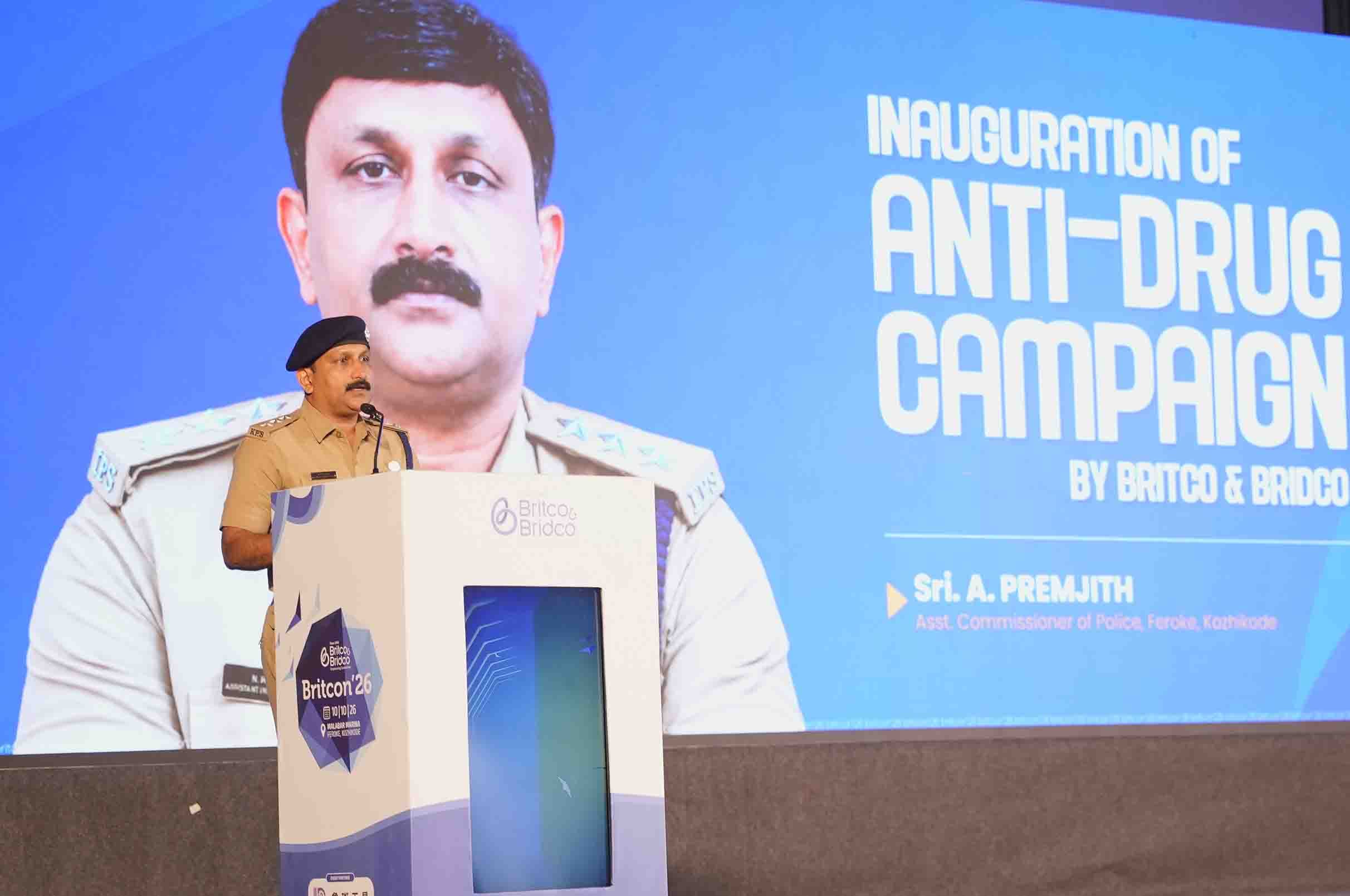
Britco & Bridco supports the importance of student motivation, responsible decision-making, and a healthy lifestyle for the younger generation. Through anti-drug awareness initiatives and motivational activities, educational institutions can help students understand the importance of staying away from substance abuse and focusing on education, technical skills, and career development.
An anti-drug awareness campaign is more than a programme that explains the dangers of drugs. It is an opportunity to encourage young people to recognize their potential, develop confidence, make responsible choices, and work towards a successful future.
For students who are preparing to enter the professional world, maintaining a healthy lifestyle and building positive habits are essential. Education, practical training, family support, and personal discipline can help young people overcome challenges and pursue their ambitions.
Britco & Bridco recognizes the importance of creating awareness among students and encouraging them to become responsible individuals who contribute positively to their families and society.
Britco & Bridco Highlights the Importance of a Drug-Free Future
Drug abuse is a serious social and public health concern that can affect individuals, families, educational institutions, and communities. Young people may face different pressures during their academic and personal lives, making awareness and early support particularly important.
Anti-drug awareness programmes help students understand the possible consequences of substance use and the importance of making informed decisions.
The key message is simple: students should protect their health, value their education, and build a future based on knowledge, confidence, and positive choices.
For technical education institutions such as Britco & Bridco, student development involves more than learning technical subjects. It also includes encouraging discipline, responsibility, teamwork, and a positive approach to life.
By promoting awareness and student motivation, educational institutions can help create an environment where young people feel encouraged to pursue their goals and seek support when facing difficulties.
Student Motivation: Building Confidence and Responsibility
Student motivation plays an important role in shaping personal and professional development. Young people often have ambitions related to education, employment, entrepreneurship, and financial independence. However, reaching these goals requires consistent effort, good decisions, and the ability to manage challenges.
Motivational awareness sessions can encourage students to think about their future and recognize the value of their time, health, and opportunities.
Students should understand that their future is not determined by a single difficult experience. With the right guidance, support, and determination, they can learn new skills, improve their abilities, and work towards meaningful achievements.
Britco & Bridco emphasizes the value of technical education and practical skill development as pathways through which students can explore career opportunities.
The message to young people is clear: believe in your abilities, develop useful skills, choose positive friendships, and remain committed to your goals.
Understanding the Dangers of Drug Abuse
Drug abuse can have serious consequences for physical health, mental well-being, relationships, education, and professional life. The effects vary depending on the substance, frequency of use, and individual circumstances.
Awareness programmes can help students understand several important risks.
1. Impact on Physical Health
Certain substances can affect the brain, heart, liver, and other parts of the body. Substance use may also increase the risk of accidents and other health complications.
Understanding these risks helps students make informed decisions about their health.
2. Effects on Mental Well-Being
Substance use can affect mood, concentration, judgment, and emotional stability. Some substances may worsen existing mental health difficulties or contribute to additional problems.
Students should know that asking for help is a sign of strength, not weakness.
3. Challenges in Education
Education requires concentration, regular attendance, practice, and consistent effort. Substance-related problems may interfere with these responsibilities and make it harder for students to achieve their academic or training goals.
Maintaining healthy routines can support learning and personal development.
4. Impact on Families and Relationships
Substance-related difficulties can create stress and conflict within families and among friends. Open communication, understanding, and appropriate professional support can help individuals and families address these challenges.
5. Effects on Career Development
Building a career requires commitment, responsibility, and the ability to learn continuously. Avoiding harmful substance use can help young people protect their well-being and focus on developing the skills required for professional success.
Technical Education as a Positive Pathway for Students
Technical education can help students discover their abilities and work towards a productive future. Practical training gives learners opportunities to understand real-world problems, develop technical knowledge, and explore employment or entrepreneurship.
Britco & Bridco has been associated with mobile phone repairing education since 1998. The institution’s focus on technical training highlights the value of practical knowledge and continuous learning.
Mobile repairing is a technology-oriented field that requires patience, problem-solving, attention to detail, and a willingness to learn new techniques.
Students interested in this field can explore training in areas such as:
- Mobile phone hardware and component identification
- Android smartphone troubleshooting
- iPhone repair fundamentals
- Electronic circuit diagnosis
- Mobile software troubleshooting
- Practical repair techniques
- Safe handling of electronic devices
- Customer service and professional communication
Developing these skills can help students explore career opportunities based on their interests, abilities, and practical experience.
Technical education also provides an opportunity for students to set meaningful goals, maintain a productive routine, and develop confidence through learning.
Peer Pressure and the Importance of Saying No
Peer pressure can influence the decisions young people make. Sometimes, students may feel that they need to follow their friends to gain acceptance or avoid criticism.
Anti-drug awareness programmes should encourage students to recognize unhealthy pressure and understand that they have the right to make their own decisions.
Students can practise responding confidently when someone encourages them to try harmful substances. They can also choose friends who respect their decisions and support their goals.
Healthy friendships are built on mutual respect, trust, encouragement, and shared positive interests.
If students feel pressured, threatened, or uncertain about a situation, they should seek help from trusted adults, teachers, family members, or qualified professionals.
Learning to say no is an important life skill that helps young people protect their health and independence.
Healthy Habits That Support Student Success
A positive lifestyle can help students improve their daily routines and maintain a stronger focus on their goals.
Educational institutions and families can encourage young people to develop healthy habits, including:
Regular physical activity: Walking, sports, exercise, and outdoor activities can support physical health and general well-being.
Skill development: Learning technical skills, communication, creative arts, and problem-solving can help students discover their strengths.
Positive friendships: Spending time with supportive friends can encourage responsible decisions and healthy routines.
Good sleep habits: Adequate sleep supports concentration, learning, and everyday functioning.
Time management: Setting realistic daily goals helps students balance education, hobbies, family responsibilities, and rest.
Open communication: Talking to trusted people about stress, peer pressure, or personal challenges can help students find appropriate support.
These habits do not eliminate every challenge, but they can contribute to a healthier and more balanced lifestyle.
The Role of Parents, Teachers, and Educational Institutions
Preventing substance abuse requires cooperation among students, families, educational institutions, health professionals, and communities.
Parents can support young people by listening without immediately judging them, maintaining open communication, and recognizing changes in behaviour that may indicate distress.
Teachers and trainers can create supportive learning environments where students feel comfortable asking questions and seeking guidance.
Educational institutions can organize awareness sessions, invite qualified health professionals, share reliable information, and provide clear pathways to counselling or other appropriate support.
Students who may be experiencing substance-related difficulties should receive compassionate guidance rather than humiliation or discrimination.
Addiction is a complex health issue, and people experiencing it may need professional assessment, treatment, and ongoing support. Early assistance can make a meaningful difference.
Britco & Bridco’s student-focused educational environment provides an opportunity to reinforce the wider importance of responsible choices, personal growth, and career preparation.
Creating Awareness Through Collective Responsibility
An effective anti-drug awareness campaign should encourage students to become active participants in building a healthier community.
Young people can contribute by sharing accurate information, rejecting harmful stereotypes, encouraging friends to seek help, and participating in educational and community activities.
Schools, colleges, training institutes, and youth organizations can support these efforts through discussions, posters, motivational talks, cultural programmes, and awareness activities.
The objective should not be to create fear or shame. Instead, awareness initiatives should give students the knowledge and confidence to make informed decisions and seek help when necessary.
A drug-free future requires consistent awareness, accessible support, and positive opportunities for young people.
Britco & Bridco: Encouraging Students to Build a Better Future
Since its establishment in 1998, Britco & Bridco has focused on technical education and helping students develop practical skills in mobile phone repairing.
For students entering a technical career, success depends on more than completing a course. It also requires discipline, continuous practice, responsible behaviour, and a commitment to improving professional knowledge.
Student motivation and anti-drug awareness complement these goals by reminding young people to value their health, protect their future, and make decisions that support their ambitions.
Every student has the potential to learn, grow, and contribute to society. With the right support, guidance, and opportunities, young people can work towards careers that provide personal satisfaction and professional development.
The message from an anti-drug awareness initiative is relevant to every student: choose knowledge over harmful influences, confidence over peer pressure, and a purposeful future over decisions that may put your well-being at risk.
Conclusion: Say No to Drugs and Yes to a Better Future
Anti-drug awareness and student motivation are important parts of creating a healthier and more responsible society.
By educating young people about the risks of substance abuse, encouraging healthy habits, and promoting access to appropriate support, institutions can help students make informed decisions about their lives.
Britco & Bridco recognizes the importance of student development, technical education, and positive career goals. Encouraging students to focus on learning, practical skills, personal responsibility, and healthy living can help them prepare for a brighter future.
The message is simple and powerful:
Say No to Drugs. Say Yes to Life, Education, Skills, and Success.
Every positive decision can become a step towards a healthier life, a stronger family, and a better future.